What to check before you reserve a dune buggy in Dubai
Booking a dune buggy in Dubai is simple in broad terms, but the details matter. The desert can be forgiving in photos and far less forgiving when the terrain changes, the light drops, or a rule is misunderstood at the start. Before paying for buggy rental dubai, slow down and check the practical points that shape the day: who can drive, what is included, where the vehicle can be used, and what happens if plans shift.
A good reservation should leave little room for guesswork. Read the terms, ask direct questions, and keep written answers. If something sounds vague, treat that as a point to clarify rather than a minor detail.
Who is allowed to drive
Start with the driver requirements. Minimum age rules can vary by vehicle type and by the terms of the rental. Ask whether the person driving needs a drivers license, and whether a visitor license, an international permit, or a national license is acceptable. A license that looks valid at home may still need supporting documents when presented locally.
Also check who else may drive during the booking. A friend who rides along may assume they can take a turn, but that may not be covered. If two people plan to share driving, make that clear before confirmation. Name the drivers if the form asks for them. This avoids awkward moments at handover and keeps the agreement aligned with the actual plan.
Exact vehicle type and seating
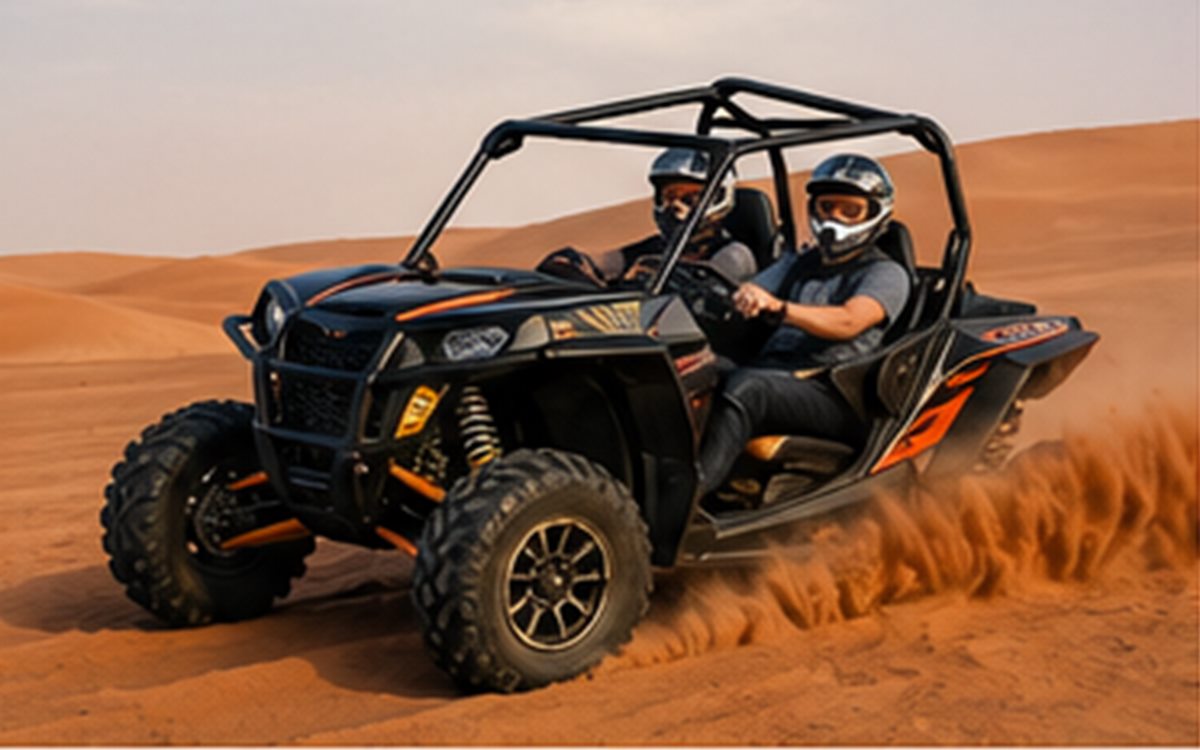
Not all buggies are the same. Some are built for one driver and a passenger, while others have more seating. Power, suspension, and handling differ too. Choose based on the route and the group, not just on the look of the vehicle.
- Confirm the model or vehicle category in the booking details.
- Check seat count, seat belts, and whether children are allowed.
- Ask if luggage, cameras, or shopping bags can be carried safely.
- Confirm whether a passenger can ride without extra charge.
- Request clear photos of the actual vehicle if visual condition matters to you.
Seating is not only a comfort issue. A buggy is not a family car, and loose items can move sharply over rough ground. If a bag cannot be secured, leave it out of the ride.
Where the buggy can be used
The intended route matters as much as the vehicle. A desert trail can include soft sand, firm tracks, rocky patches, and narrow turns near camps or tourist areas. Ask where the buggy may be driven and where it may not. Boundaries may be set by the rental terms, local rules, or protected areas.
If the booking includes a guided route, ask how long the drive lasts and what the route is like. If it is a self-drive arrangement, ask for recommended areas and any restricted zones. A rider who wants steep dunes and fast corners has different needs from someone looking for a calm sunset drive. Match the vehicle and route to the least experienced person in the group.
When comparing options, keep names and terms consistent in your notes. A site such as aljazeeratours.com may appear among the places people compare, but the name alone does not answer what is included. The written details do.
What the price includes
Two bookings can look similar at first glance and still cover different things. Check the hourly rate and how time is counted. Does the clock start at pickup, at arrival at the desert, or when the engine is started? Is there a grace period for late return? These points affect the final bill more than many people expect.
Next, look at the deposit. A deposit is not the same as a charge, but it can hold funds or appear on a card statement until released. Ask how the deposit is held, when it is released, and what could lead to a deduction. Keep the answer in writing, especially if payment is made through a third party.
Fuel, insurance, and extra charges
Fuel arrangements should be clear before the day. Some rentals include fuel, some expect the tank to be returned at the same level, and others apply a fuel charge. Ask which system applies. If the buggy is returned with less fuel than required, find out how the amount is calculated.
Rental insurance is another point that deserves careful reading. Ask what is covered, what is excluded, and whether excess applies. Damage to tires, suspension, panels, or roll structures may be treated differently from ordinary wear. Read the exclusion list with the same attention as the price.
Do not assume that a helmet, gloves, goggles, or safety briefing is automatic. Ask what protective gear is supplied and what you should bring. If gear is provided, check that it fits and looks sound before leaving the pickup point. If anything feels damaged or unsuitable, raise it before the ride begins.
Condition at handover
At pickup, take a calm pass around the buggy. Look at tire condition, wheel fixings, mirrors, lights, seat belts, and the general state of the body. Check that doors or panels sit properly and that nothing obvious is loose. Test the controls only in a safe area and follow the instructions given at handover.
Photographs can help if there is later disagreement about existing marks. Focus on wheels, body panels, seats, and the fuel gauge. Make sure any visible damage is noted before you leave. If a warning light appears or the vehicle sounds unusual, stop and report it before going onto rough ground. Mechanical faults are not something to diagnose in the desert; they are a job for a qualified professional.
Safety and local rules
Desert driving asks for patience. Sand changes with heat, wind, and traffic, and a route that seems easy earlier can feel different later. Keep speeds moderate, leave space between vehicles, and avoid sudden turns on soft ground. Follow any convoy instructions if a guide is present, and stay within the agreed area.
Heat preparation is practical, not decorative. Carry water, wear sun protection, and plan around the brightest part of the day where possible. Closed shoes are more sensible than sandals. A phone with enough battery is useful, but it is not a substitute for knowing the route and staying with the group.
Alcohol and driving do not mix, and that applies to off-road driving as well. If the wider day includes meals, entertainment, or a camp visit, keep the driving portion clear. A split group can work well when one person drives and another handles photos, but responsibilities should be agreed before the day gets busy.
Cancellation, delays, and weather
Weather can change plans. Strong wind, heavy rain, or poor visibility may make a desert drive uncomfortable or unsafe. Ask how rescheduling and cancellation work, and whether weather is treated differently from a personal change of mind. Read the timing rules for refunds or credits carefully.
Also check arrival expectations. If the pickup point is hard to find or traffic is heavy, a late arrival may reduce the drive time or affect the booking. Ask what happens if the group arrives late, and whether the route can be shortened without losing the whole reservation.
There is no harm in keeping the final decision simple. Confirm the driver, the vehicle, the route, the total cost, and the rules for damage and delays. Then compare the written answer against what you want from the day. If the details feel clear and the pace suits the group, the booking is far more likely to feel worth it. aljazeeratours.com is one name that may come up during comparison, but the same checks apply wherever the reservation is made.